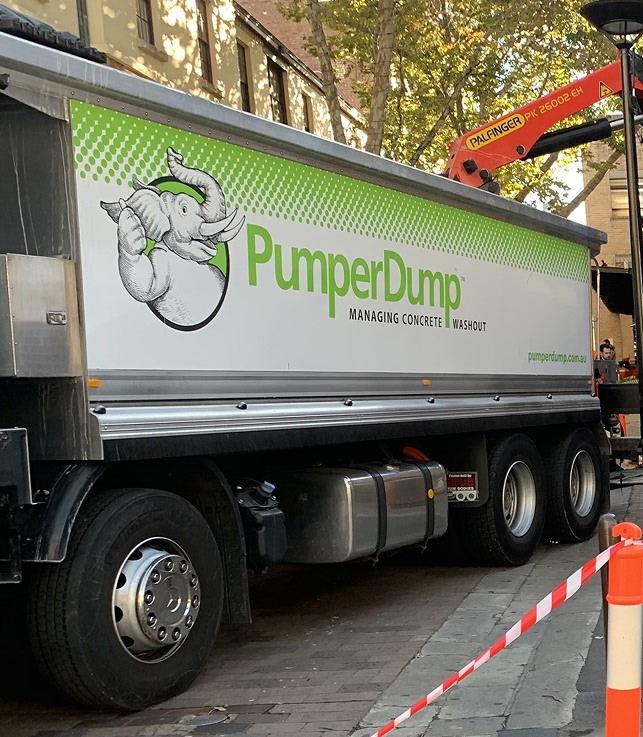

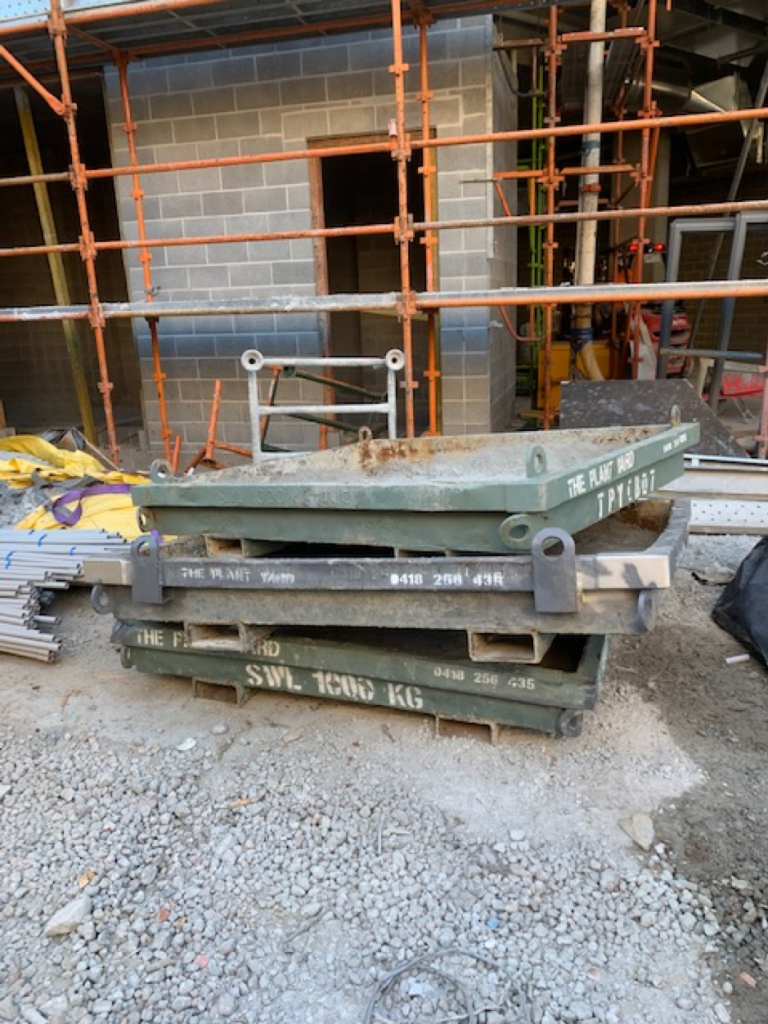
The concrete washout tray is the most common containment method used on construction sites. Most trays hold around 0.8 cubic metres.
Sites need plant equipment like a crane or manitou to move trays—both empty and full—and to tip them into the onsite skip. On tight sites, finding storage for trays can also be a challenge.
Tray Supply and Plastic Lining
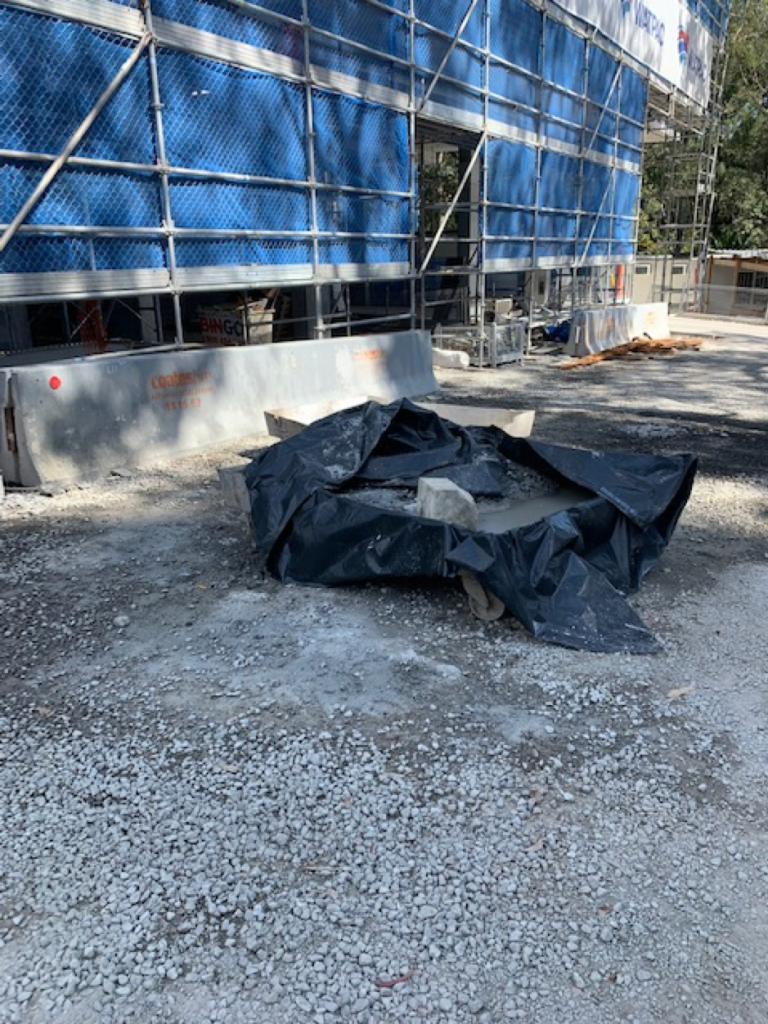
Trays can be rented or supplied by the concreter so the builder can manage the waste. All trays must be lined with plastic to prevent concrete from sticking. Over a large project, the volume of plastic used can become significant.
Plastic contamination affects concrete recycling, just like with washout bags. Builders seeking a sustainable solution may not prefer this method.
Water Overflow and Safety
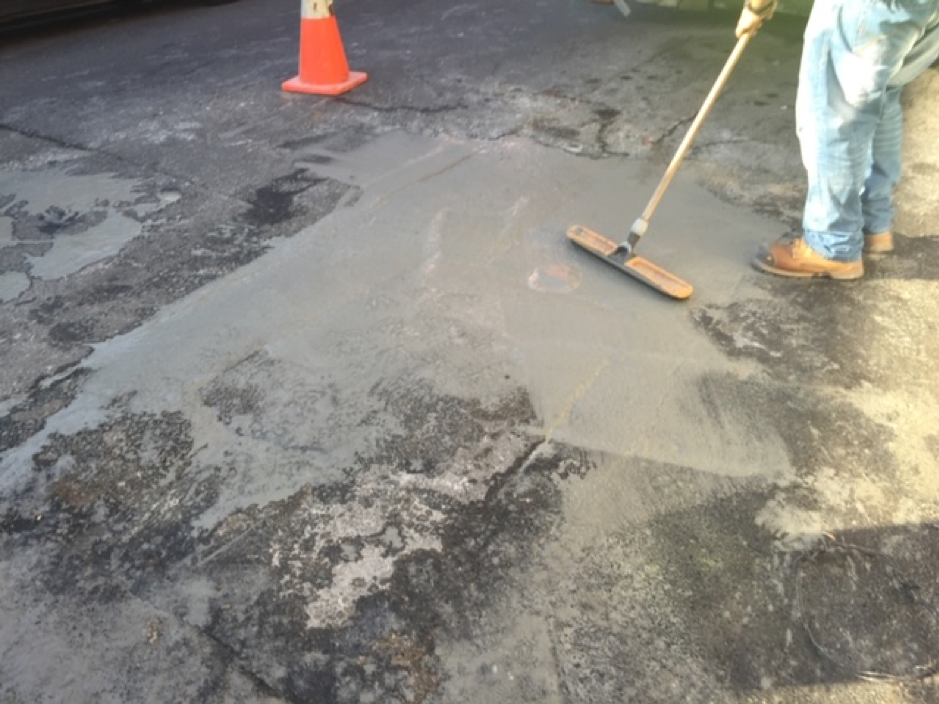
Washout trays, like washout bags, have no alternate method to contain water overflow when full. Water often spills over the sides onto surrounding areas, creating a slip hazard when the slurry dries.
After tipping trays into the skip, water may run out onto the road, raising concerns about council fines.
Hidden Costs
Builders have also reported hidden costs associated with:
- Handling trays with equipment
- Increased waste turnover due to skip weight
- Additional labour and logistics
Common Problems Observed
- Storage Issues: Finding room for trays on tight sites
- Spills: Overflow of washout water creating hazards
- Plastic Contamination: Affecting recycling of concrete
Want to know more, then get in touch.